
Travel, Parents & Parenting, Infants/Newborns, Eyes, Ears, Nose & Mouth, Illnesses & Infections, Health & wellness
Thanksgiving With a New Baby: How to Keep Your Family Healthy
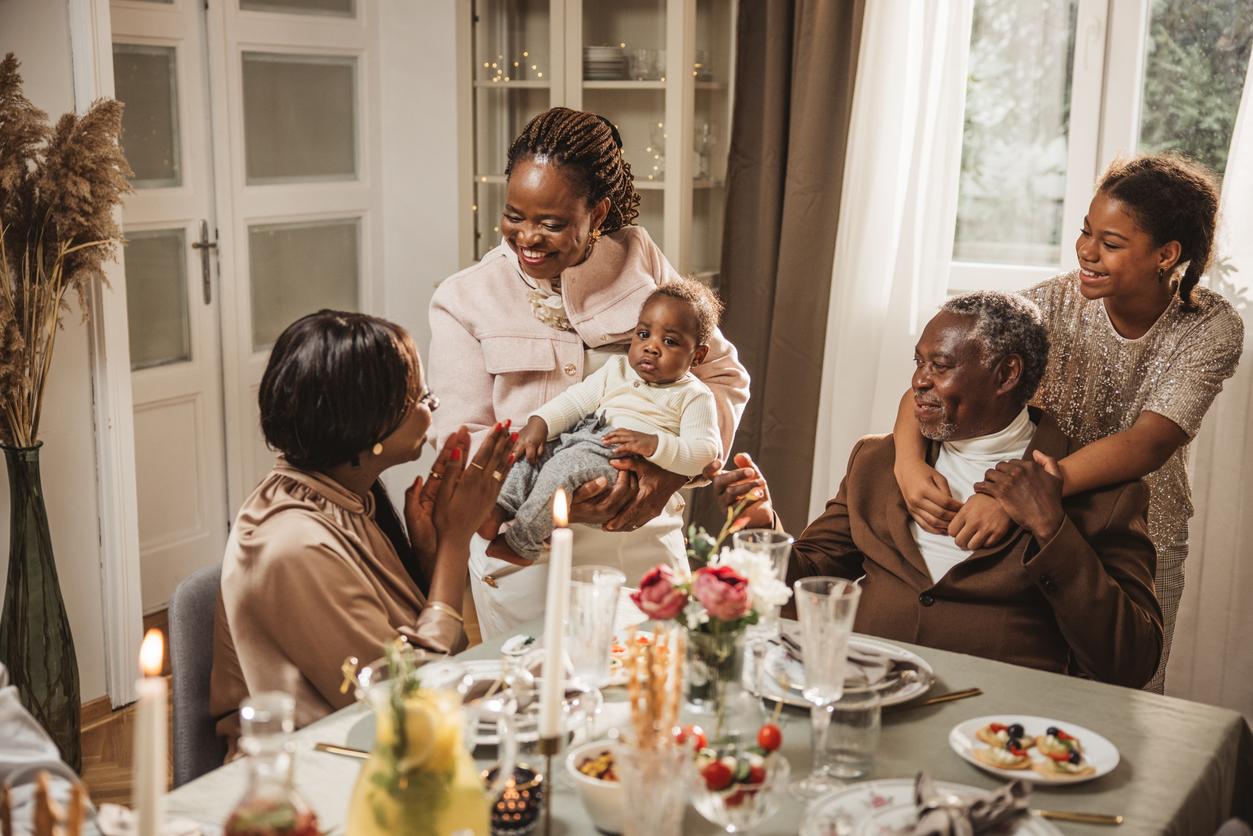
A baby’s first Thanksgiving can feel extra special—and a little complicated. You may be excited to introduce your baby to loved ones while also wondering how to handle germs, visitors, feeding, naps and well-meaning relatives who cannot wait for a cuddle.
You do not need to create a perfectly germ-free celebration. A few clear expectations and simple precautions can help protect your baby while giving your family room to enjoy the day. Use the tips below to make a plan that fits your baby, your household and your comfort level.
Quick answer: How can you protect a newborn at Thanksgiving?
Ask anyone who is sick to celebrate from home, have visitors wash their hands before touching the baby, skip kisses, limit how many people hold the baby and give your family a quiet place to feed and rest. Because babies younger than 6 months cannot receive a flu vaccine, encourage eligible household members and caregivers to stay up to date on recommended vaccines. Ask your pediatrician about your baby’s specific needs before the gathering.
1. Set expectations before guests arrive
Health boundaries are easier to follow when they are shared before the doorbell rings. Send a short message with the details guests need to know: please stay home if you feel sick, wash your hands before touching the baby and ask before holding or kissing them.
You can keep the message warm and direct: “We are excited for you to meet the baby. Because newborns can get sick quickly, please stay home if you are not feeling well, wash your hands when you arrive and let us decide when the baby is ready to be held.”
This is not rude or overprotective. It is a reasonable way to care for a young baby whose immune system is still developing.
2. Ask sick guests to stay home
Anyone with a fever, cough, sore throat, vomiting, diarrhea or other signs of illness should postpone the visit. The same is true for guests who have recently tested positive for a contagious infection or know they were exposed and may be getting sick.
Offer another way to connect, such as a video call during dinner or a visit after they have recovered. Missing one gathering can be disappointing, but it is safer than exposing a newborn—and it gives everyone a chance to relax and celebrate later.
3. Make handwashing the first hello
Ask guests to wash their hands with soap and water when they arrive and before holding, feeding or touching the baby. Handwashing is especially important after using the bathroom, changing a diaper, blowing a nose or handling food. Keep soap and clean towels easy to find so the request feels like a normal part of arriving.
Alcohol-based hand sanitizer can be useful when soap and water are not available, but washing is the better choice when hands are visibly dirty and after caring for someone with vomiting or diarrhea.
4. Skip kisses and limit passing the baby
Ask visitors not to kiss the baby’s face or hands. Babies frequently bring their hands to their mouths, and close face-to-face contact makes it easier for respiratory germs to spread.
You can also decide that only a few people will hold the baby—or that no one will. A baby carrier can make that boundary easier while keeping your baby close and giving you more control in a crowded room. “The baby needs a break” is a complete explanation.
5. Add protection before the holiday
Babies younger than 6 months are too young to receive a flu vaccine and are at higher risk for serious flu complications. One important layer of protection is for eligible parents, siblings, caregivers and other close contacts to receive their yearly flu vaccine. Household members should also stay current on other vaccines recommended for them, including the vaccine that protects against whooping cough.
There are also immunizations that can help protect infants from severe respiratory syncytial virus, or RSV. Depending on the pregnancy and the baby’s age and health history, protection may come from an RSV vaccine during pregnancy or an RSV preventive antibody given to the infant. Ask your pediatrician whether your baby is protected and whether any additional step is recommended.
READ MORE: 5 Things Parents Should Know About Kids and Flu Shots
6. Protect feeding, naps and safe sleep
A busy holiday can quickly become overstimulating. Choose a quiet space where you can feed, change or settle your baby away from the crowd. Let guests know that you may step away or leave early if your baby—or you—needs rest.
For sleep, place your baby on their back on a firm, flat sleep surface in a crib, bassinet or play yard that meets current safety standards. Keep blankets, pillows, toys and other soft items out of the sleep space. If your baby falls asleep in a car seat, swing or carrier outside of travel, move them to a safe sleep surface as soon as practical.
7. Make the gathering easier on the parents, too
Protecting a new baby also means supporting the people caring for them. Accept help that actually reduces your workload: someone else can coordinate food, answer the door, clear dishes or remind guests of the family’s rules. If you are hosting, simplify the menu or ask everyone to bring something.
You are allowed to change plans. Shortening the visit, feeding the baby privately or staying home altogether may be the healthiest choice for your family this year.
8. Know when to call the pediatrician
Young babies can become ill quickly. Call your pediatrician right away if a baby age 3 months or younger has a rectal temperature of 100.4°F (38°C) or higher—even if the baby otherwise seems well. Do not give fever medicine to a young infant unless a clinician tells you to.
Seek urgent medical help for trouble breathing, pauses in breathing, blue or gray lips or face, severe sleepiness, difficulty waking, signs of dehydration or feeding much less than usual. If symptoms are severe or your baby is struggling to breathe, call 911.
READ MORE: Flu, RSV, COVID-19 or a Cold? How to Tell the Difference
A healthy holiday can still feel joyful
Thanksgiving with a new baby does not have to be perfect. A little planning, a few clear boundaries and support from the people around you can make the day feel safer and more enjoyable. If you have questions about visitors, vaccines or your baby’s health, your pediatrician can help you make a plan that fits your family.
Suggested CTA button SCHEDULE AN APPOINTMENT